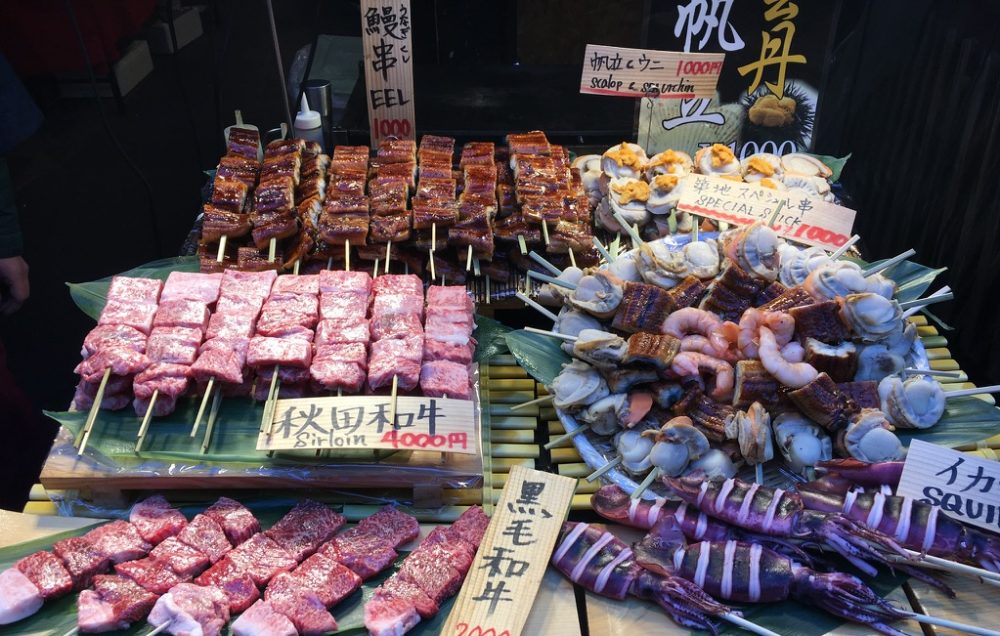
The first thing I remember about La Boqueria is the colour.
Rows of freshly pressed fruit juices in shades of orange, ruby, emerald and gold. Mounds of cherries spilled from baskets, peppers shone under the market lights and strings of deep-red jamón hung from the rafters like decorations. Even now, years later, when I think of Barcelona, it is often those colours that return first.
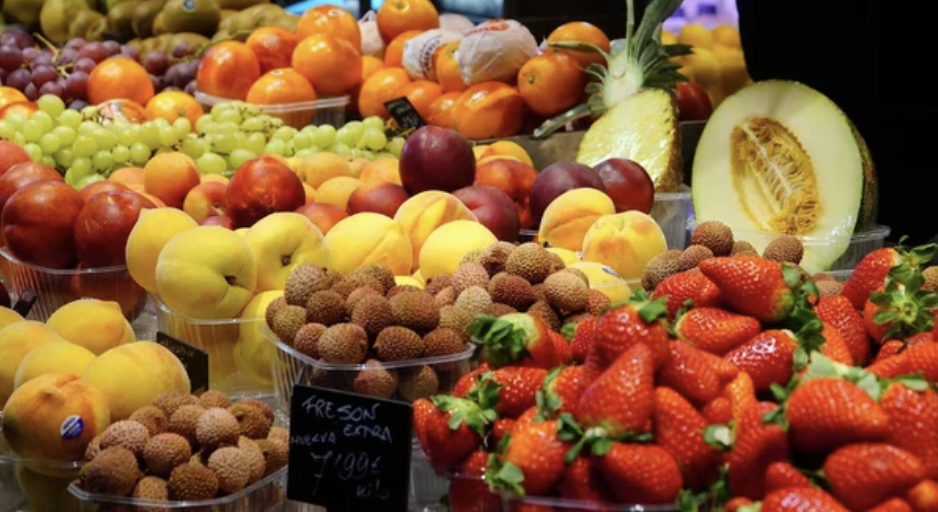
Then came the sounds.
Not the loud, chaotic noise of a market fighting for attention, but a steady rhythm. Coffee cups meeting saucers. Vendors greeting regular customers. The splash of calamari hitting a hot plancha. The sizzle of garlic and olive oil. Knives moving through fish and vegetables. Conversations rising and falling in Catalan and Spanish.
Described as the sexy sister to the more subdued, yet elegant, Madrid, Barcelona greets you fitted out in Gaudi’s finest. She’s flirty, in your face, and a little sauvage. The capital of Catalonia, she rests her head in the mountains, yet her feet dangle in the Mediterranean. Visitors arrive for Gaudí’s extraordinary architecture, the beaches, the Gothic Quarter and the city’s unmistakable Mediterranean energy. Yet for me, Barcelona has always been a city best understood through its food, and nowhere captures that spirit quite like La Boqueria.
Located just off Las Ramblas, La Boqueria has been feeding Barcelona in one form or another for more than eight centuries. Long before the market acquired its distinctive iron roof and stained-glass entrance, traders were gathering here outside the old city walls, selling meat, livestock and produce to travellers arriving at the city gates. Records suggest market activity on the site dates back to at least 1217, when vendors set up simple stalls beyond the protection and taxation of the medieval city.
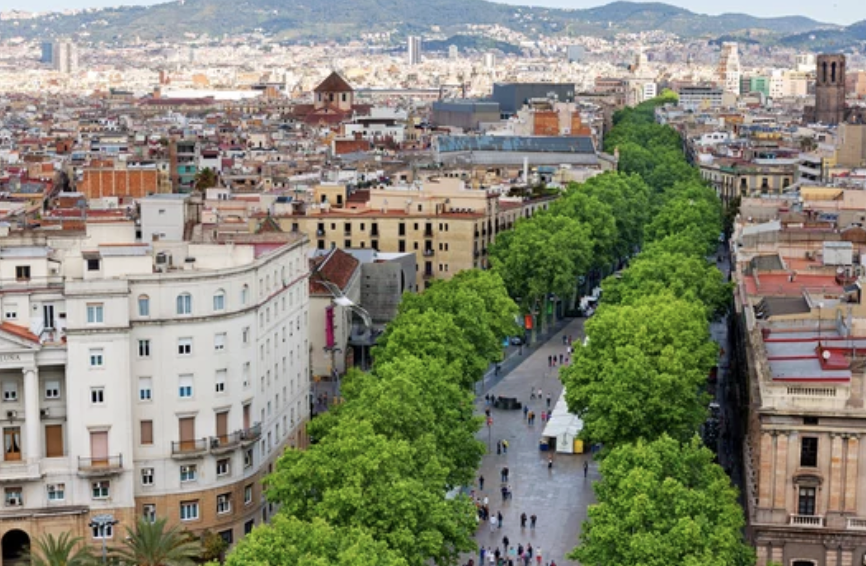
Over the centuries, the market evolved alongside Barcelona itself. What began as an informal gathering of traders eventually became an established municipal market, finding a permanent home in 1840 on the site of the former Convent of Sant Josep. The elegant iron roof that now shelters shoppers arrived in 1914, giving La Boqueria much of the appearance it retains today.
That tension between market and attraction has become one of La Boqueria’s defining challenges. Today, Barcelona is investing heavily to ensure the market remains a functioning food hub rather than simply a backdrop for photographs. A major renovation of the fish hall is underway, new technologies are being introduced to help manage overcrowding, and the market has joined efforts to seek UNESCO Intangible Cultural Heritage recognition. The goal is simple: preserve the market’s soul while ensuring it remains relevant for future generations.
Perhaps that is because La Boqueria’s true value lies not in its architecture, nor even in its history, but in its continued role as a place where Barcelona comes to eat. Every turn of a market aisle revealed something new. Mountains of shellfish. Glossy olives. Fresh cheeses. Sausages coiled into long loops. And everywhere, the famous Iberian jamón, hanging overhead like edible chandeliers. More than once I found myself wondering how much of it I could realistically smuggle through Canadian customs.
Barcelona itself seems built around the pleasures of eating. Cafés, bars and restaurants spill onto pavements, conversations linger over coffee, and long lunches are treated as a necessity rather than a luxury. Catalan cuisine combines the bounty of the Mediterranean with a deep respect for local produce. Seafood, vegetables, cured meats, olive oil and wine all feature prominently, creating food that is often simple but rarely ordinary.
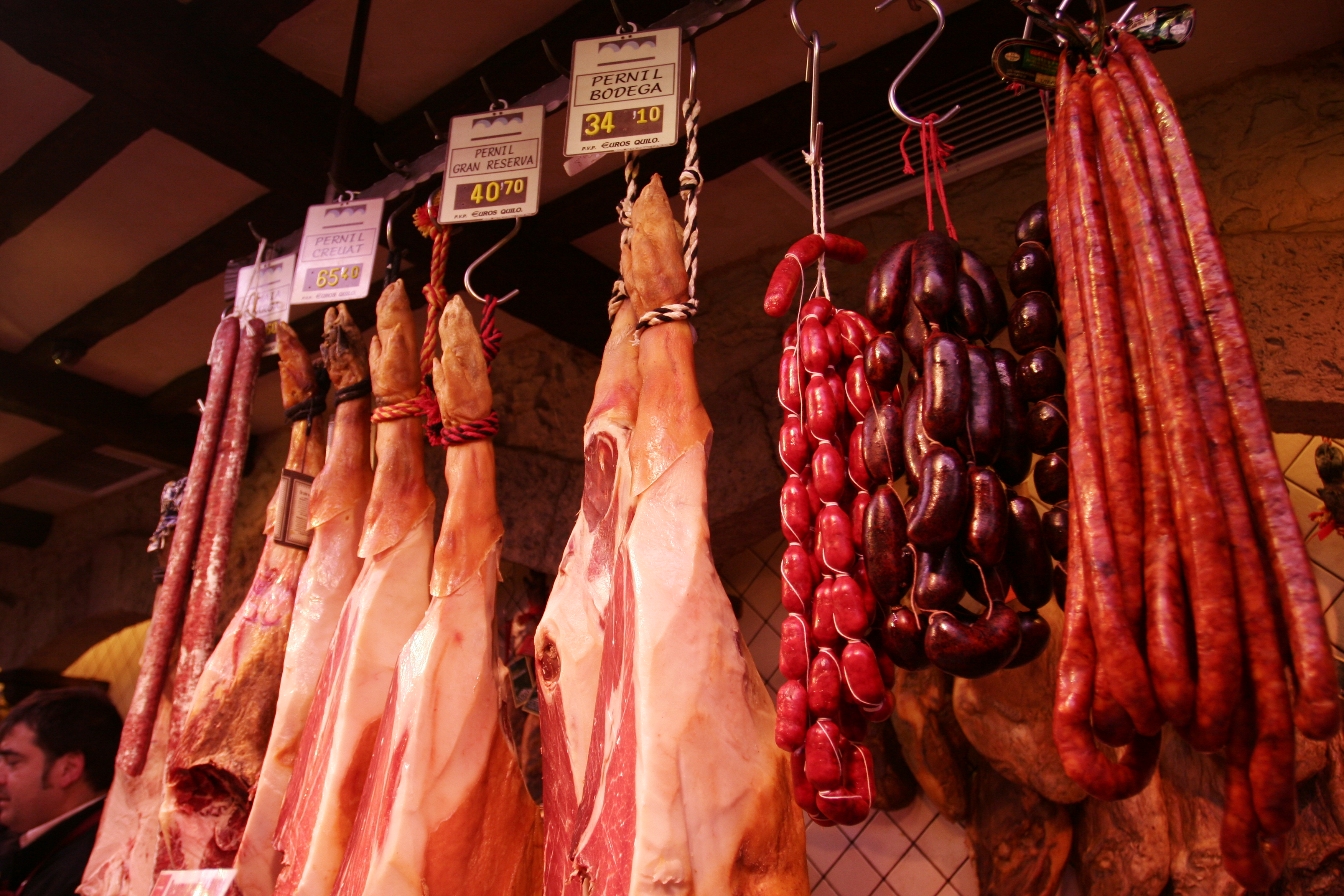
What I love most about Catalan food is that it belongs to everyone. I watched children happily munching on cod fritters, families sharing plates of patatas bravas, construction workers ordering sandwiches filled with Iberian ham sitting alongside elegantly dressed women having a glass of wine and sharing a plate of Trampo de Mar (Grilled Scarlet Prawns / Gambas Rojas). Good food here did not seem reserved for special occasions – it is simply part of daily life.
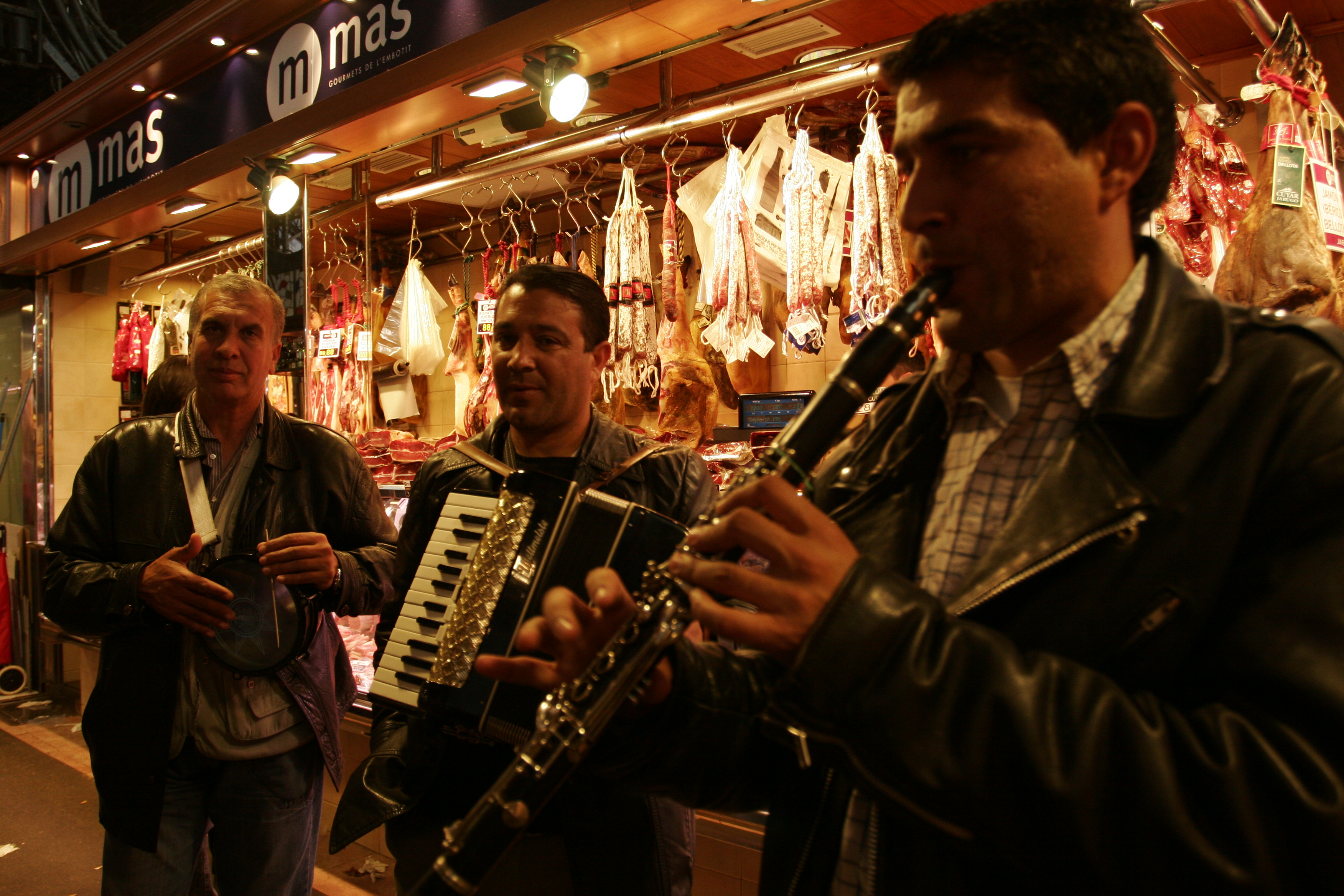
I went to Barcelona three or four times in the span of a few years. On my first visit to La Boqueria, my friend and colleague Natalie, and I, did as the local and squeezed onto stools at one of the market’s counter restaurants and ordered lunch. We watched as calamari a la plancha, cod fritters with spicy aioli and freshly grilled sardines were prepared right in front of us. The cooks worked quickly and confidently, moving between the grill and customers with practiced ease. It was impossible not to be drawn into the theatre of it all.
A special mention must be made of the seafood. For centuries, fishermen have worked the Mediterranean waters off Barcelona’s coast, and fish remains central to both the local economy and the Catalan table. The market’s fish hall is a celebration of that heritage, showcasing everything from sardines and anchovies to squid, prawns and octopus.
I ate all sorts of things in Barcelona, but it is often the simplest dishes that stay with me longest.
Perhaps that is because Barcelona’s food culture is not built around exclusivity. The city’s best meals are often the most accessible ones: a plate shared among friends, something eaten standing at a market counter, or a tapa enjoyed with a glass of cava while watching the world go by.
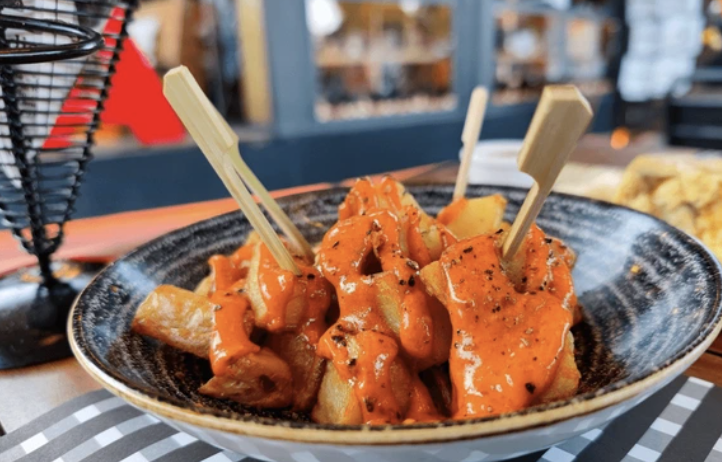
Of all the dishes I brought home from Barcelona, none has appeared on my table more often than patatas bravas. Found everywhere from neighbourhood bars to market counters, patatas bravas are one of Spain’s great comfort foods. Crisp potatoes, roasted until golden, are served with a smoky, slightly spicy sauce and often accompanied by aioli. Like many of the best dishes in Catalonia, the ingredients are humble, but when prepared well, the result is irresistible.
Over the years I have made countless versions of patatas bravas, each one transporting me back to La Boqueria.
This is the version I make at home.
Patatas Bravas (or bad-tempered potatoes)
Ingredients:
- 3 tablespoons of butter
- 4-5 large potatoes, peeled, and cut to 1-inch cubes
- 4 cloves garlic,whole, skins left on
- Salt and freshly ground black pepper
- 3-4 bay leaves
- 1 1/2 tablespoons Spanish paprika
- 1/2 cup Ketchup or chilli sauce
- 1/2 cup (4 fl. oz) mayonnaise
- 1 cup olive oil for frying
Method:
Cut up your potatoes into one inch pieces, pat dry and then season with salt, black pepper and the paprika. In a large skillet, melt your butter and and heat the olive oil and then then fry the potatoes for 3-4 minutes, ensuring to turn over on each side. This process will make the potatoes crispy, but will not necessarily cook them through. Turn down the heat, add the bay leaves and garlic, put the fry pan lid on and then keep cooking until potatoes are done inside. Stir occasionally to ensure they don’t go soggy.
Patatas bravas, depending on where you eat them in Spain, they are either served with a tomato puree-type sauce on top of them, and/or with an aoili. These are the simplest methods I have found.
Quick Salsa Brava
- 2-3 tbsp tomato paste or passata.
- 1 tsp smoked paprika
- Pinch chilli flakes
- 1 tbsp olive oil
- 1 tbsp water
Mix together and warm gently.
Cheat’s Aioli
- 4 tbsp good-quality mayonnaise
- 1 small garlic clove, finely grated
- 1 tsp lemon juice
Mix together and refrigerate until needed.
To Serve
Pile the hot potatoes onto a platter, drizzle with the salsa brava, then spoon over the aioli. Finish with a little extra smoked paprika if desired.
For more information on Boqueria, visit the market website at:


Those little boys in the straw boaters… precious!
I do too. I wish I had Natalie along with me all the time, her photos are fabulous.
Great post! I have so many fond memories of Barcelona, including the Boqueria market… those Catalans sure know how to cook – and party! Thanks a lot for the patatas bravas recipe! The humble potato does need to express herself more often! 🙂
Thanks Tihana! Let me know how they turn out!
Very nice design and style and wonderful subject matter, nothing else we need :D.
Nice post. I used to be checking constantly this blog and I’m impressed! Very useful info specifically the last part 🙂 I handle such info much. I used to be seeking this certain info for a long time. Thanks and best of luck.