The Stones tell Stories in the Bohemian and Beautiful Bale, Istria, Croatia

I’ve always been a fringe dweller, seeking out the sacred and surreal, most at ease in the company of fellow misfits, romantic runaways, free thinkers, drawn to dive bars and hidden away cafés, have lived in seven cities, am best of friends with Scientists and Surgeons, as well as poets and petty crooks.   If I could conjure up an ideal place to live, or just somewhere to visit over and over again, it would involve the sea, the sun, music (preferably Jazz), great food, a foreign language, and all of this shrouded in some kind of mystery, magic, something a lot like the town of Bale in Istria, Croatia.
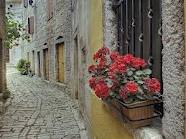
Winding up a stone paved drive, some 140 metres above sea-level, Bale is a small hill town, which is crowned by the baroque St Julian church, only five kilometres from some of the most pristine (and quiet) beaches in Istria, Croatia.

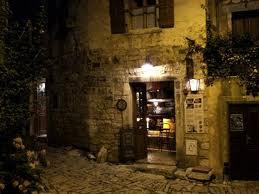
Whenever we travel, my husband usually takes off early in the morning and does his fox-like circumnavigation of where we’re at.  In actual fact, I can thank him for finding many of the markets I have been to, as before I’ve even woken up from my jet-lagged slumber, he would have already scoped out half of his surroundings by bike, boat or foot.  And that’s how we found Kamene Price or  Stone Stories, a groovy treasure of a restaurant/hotel in the middle of this enchanting and bohemian town.

Misha, the chef, an effervescent and unassuming beauty from Dalmatia, poured us a drink and sat down to chat with us against the candle-lit stone wall.  She told us that the owner, a reputable photographer, likes to travel, and through his travels has made a lot of friends from near and far, and well, these friends would often visit him, and so he opened Kamene Price, first to have a place to entertain, but also because he loves to bring like-minded people together, to talk, to eat, to just be. There are poetry readings, theatre nights, and just a few weeks after our trip, Kamene Price also hosts a Jazz festival.  We were tired that night, so headed off early, as we had a long drive back to Italy the next day, yet we promised Misha we would call by before we left.
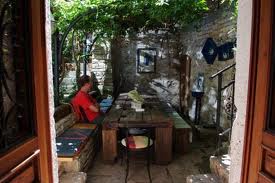
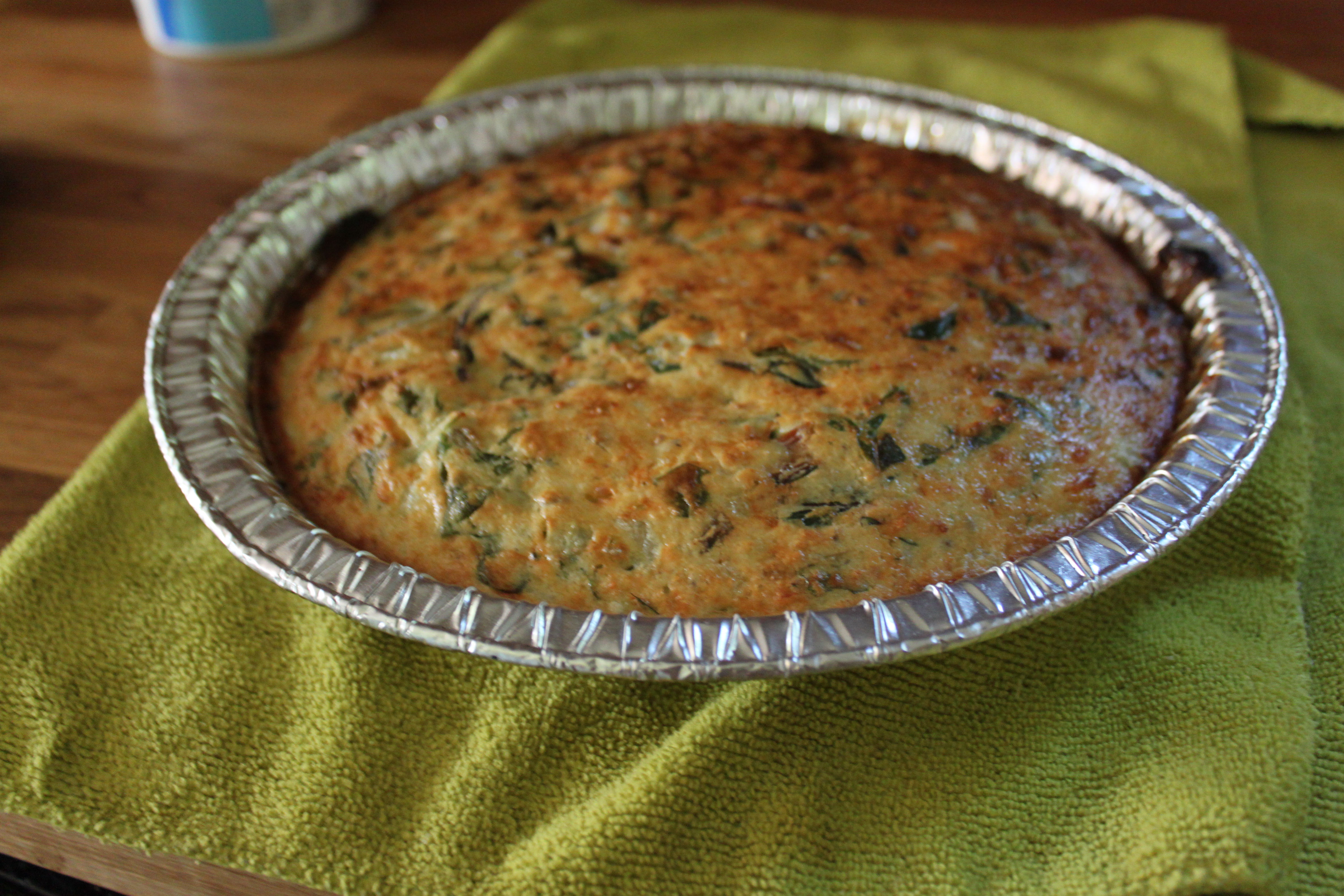
The next day, we stopped in for brunch, and this time in the sun drenched terrace, surrounded by curios, creeping vines and whimsical furniture, I wished for a small moment for  something just like this back home in Montreal. I asked Misha how she decided what to cook for the restaurant. She explained that there was no menu, instead she would head off to the local market each morning, with her favourite cookbook (The Dalmatian Mother’s Cookbook) often in tow, and that would be that.  That day we had a light self-baked swiss chard pie, served with a purée of the most delicately spiced red lentils.  My husband said there couldn’t be a more perfect meal for him. She also cooked up a quick fresh tomato and basil spaghetti for our son, who gladly gobbled it down.  Before we left, we toasted my last glass of rakia in Croatia, this time infused with pungent rose-hip.
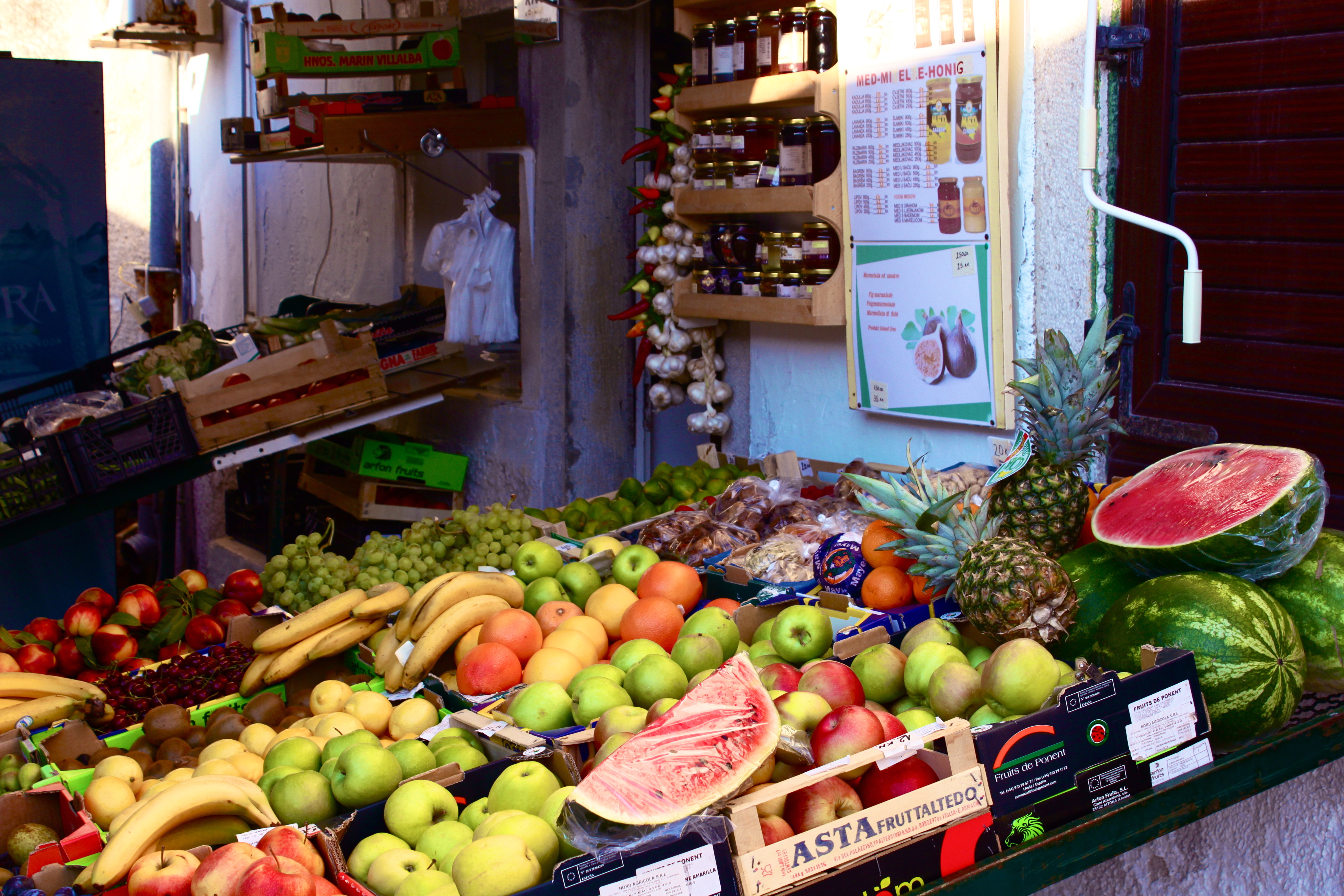
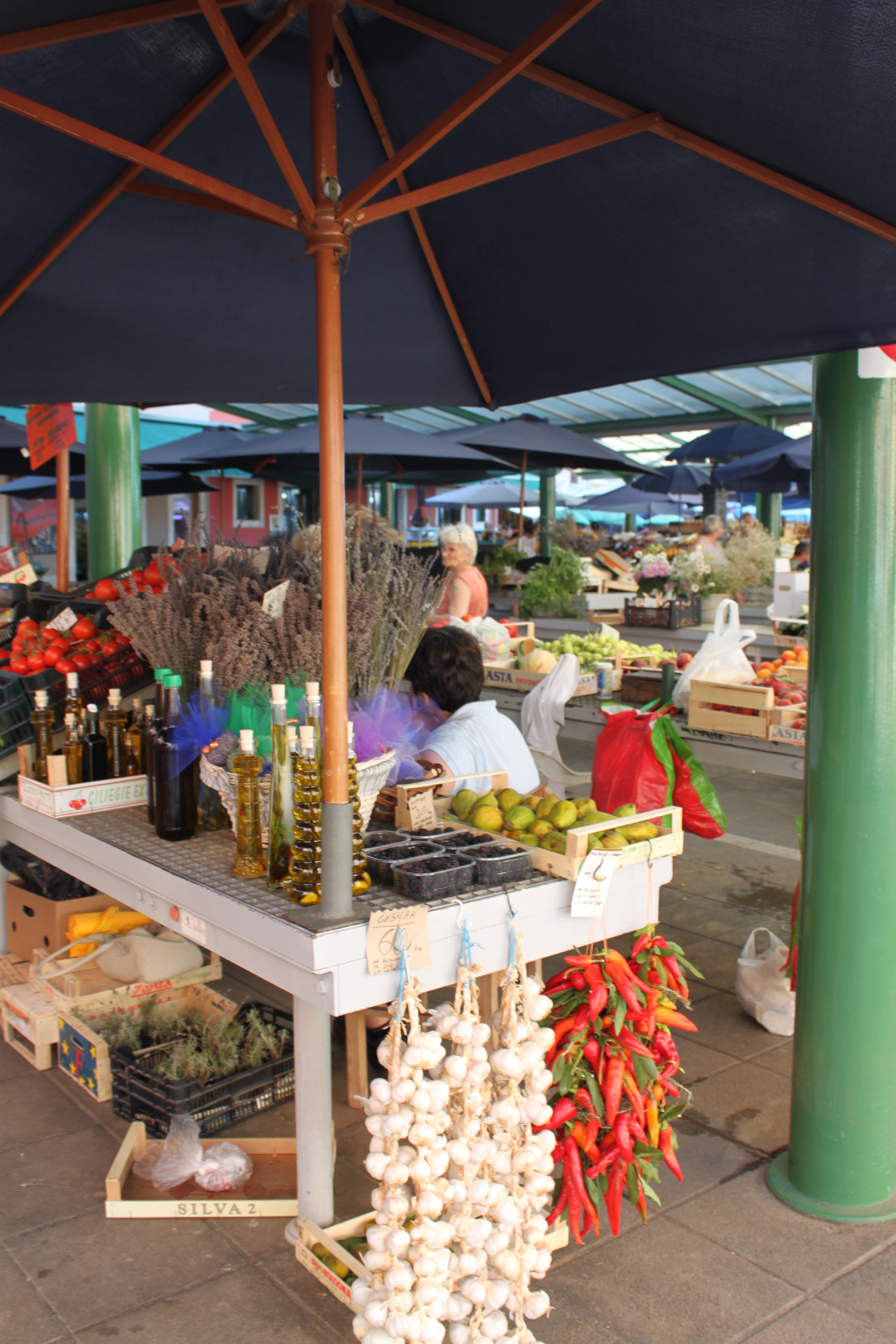
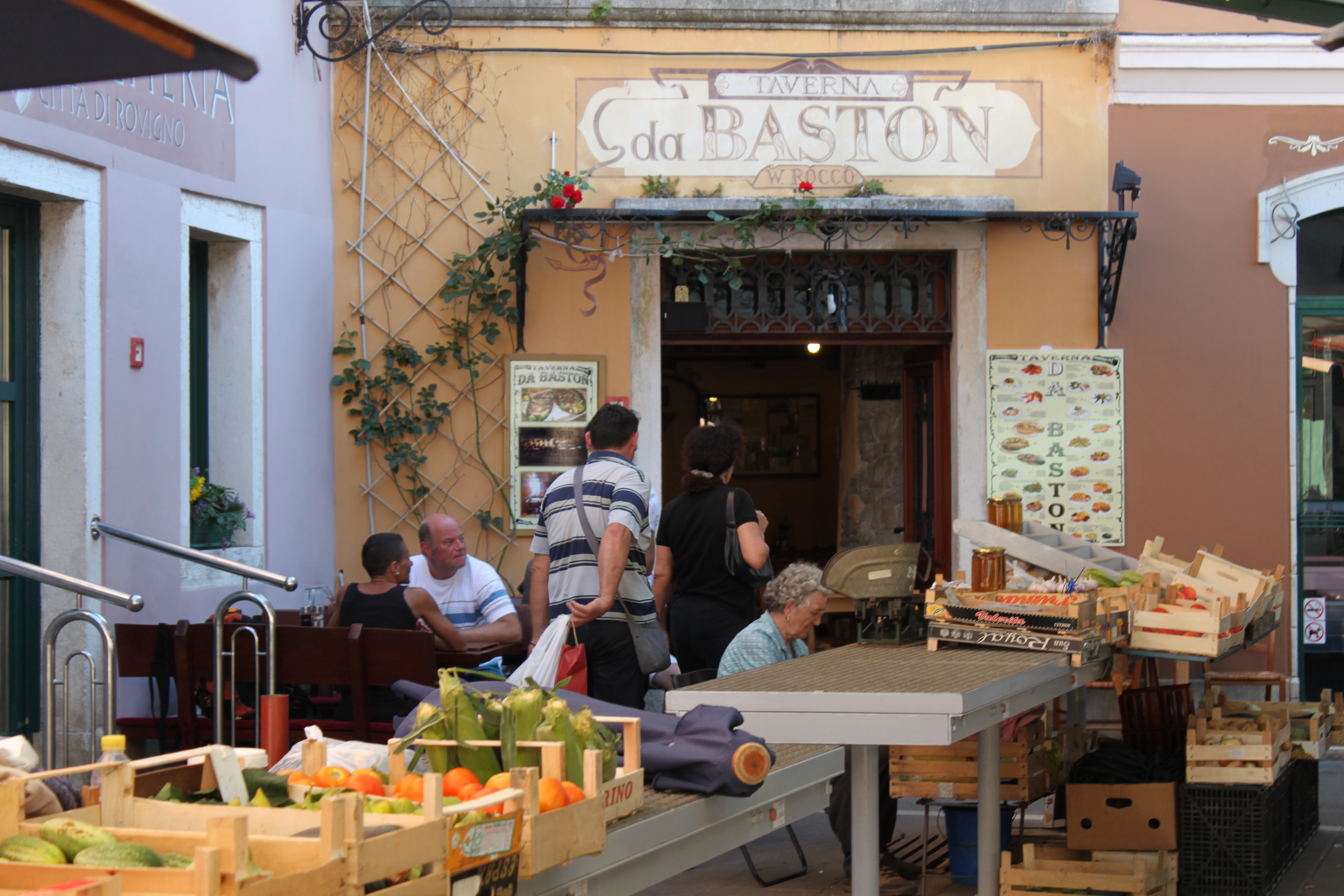
Bale has a small morning market selling fresh fruit and vegetables and fish, yet for a larger market, we ventured into the seaside town of Rovinj in Istria, some seven kilometres away.  Another mesmerizing town (albeit much bigger), the market is situated along the harbour and sports some of the Mediterranean’s finest; olives and olive oils a-plenty, truffle infused products, lavender, peppers, chili, ropes of garlic, the reddest tomatoes, aubergines.
After we said good-bye to Misha, I noticed a sign on the restaurant’s stone wall which wrote of how that legendary free spirit and romantic runaway, Giacomo Casanova had once lived and loved in Bale.   In the opening chapters of his autobiography Histoire de ma Vie (History of my life) he advises his readers that they “will not find all my adventures. I have left out those which would have offended the people who played a part in them …”  yet I bet that in Bale, that if you lean back and put your ear against it’s ancient stone walls, you may just hear a thing or two about that old guy called Casanova.

For further information on Kamene Price, visit their website: http://www.kameneprice.com/

Misha’s swiss chard pie
1 tablespoon olive oil

1 small onion

1 large bunch swiss chard

1 1/2 cups of shredded cheese (e.g. cheddar, parmesan, fontina)

4 eggs

1/2 cup milk

salt and pepper

1 teaspoon of paprika powder

1/2 cup breadcrumbs

1 teaspoon of baking powder

Directions:

  • Pre-heat oven to 375 degrees.
  • Wash and pat dry the swiss chard. Cut off the ends of the stems, and then roughly chop up the chard.
  • Sauté the onion until translucent, and then add the chard, and sauté a few minutes until tender (but not wilted).
  • In a large bowl, whisk in eggs, and then add milk, grated cheese and mix through. Fold in bread crumbs and baking powder.
  • Season with salt and pepper, and the paprika.
  • Pour into a round, lightly oiled baking dish.
  • Bake for up to 45 minutes, or until golden brown and the pie springs back when you touch it.
The Poor Man eats well in Croatia, a market island hop, the Croatian islands.

The Poor Man eats well in Croatia, a market island hop, the Croatian islands.

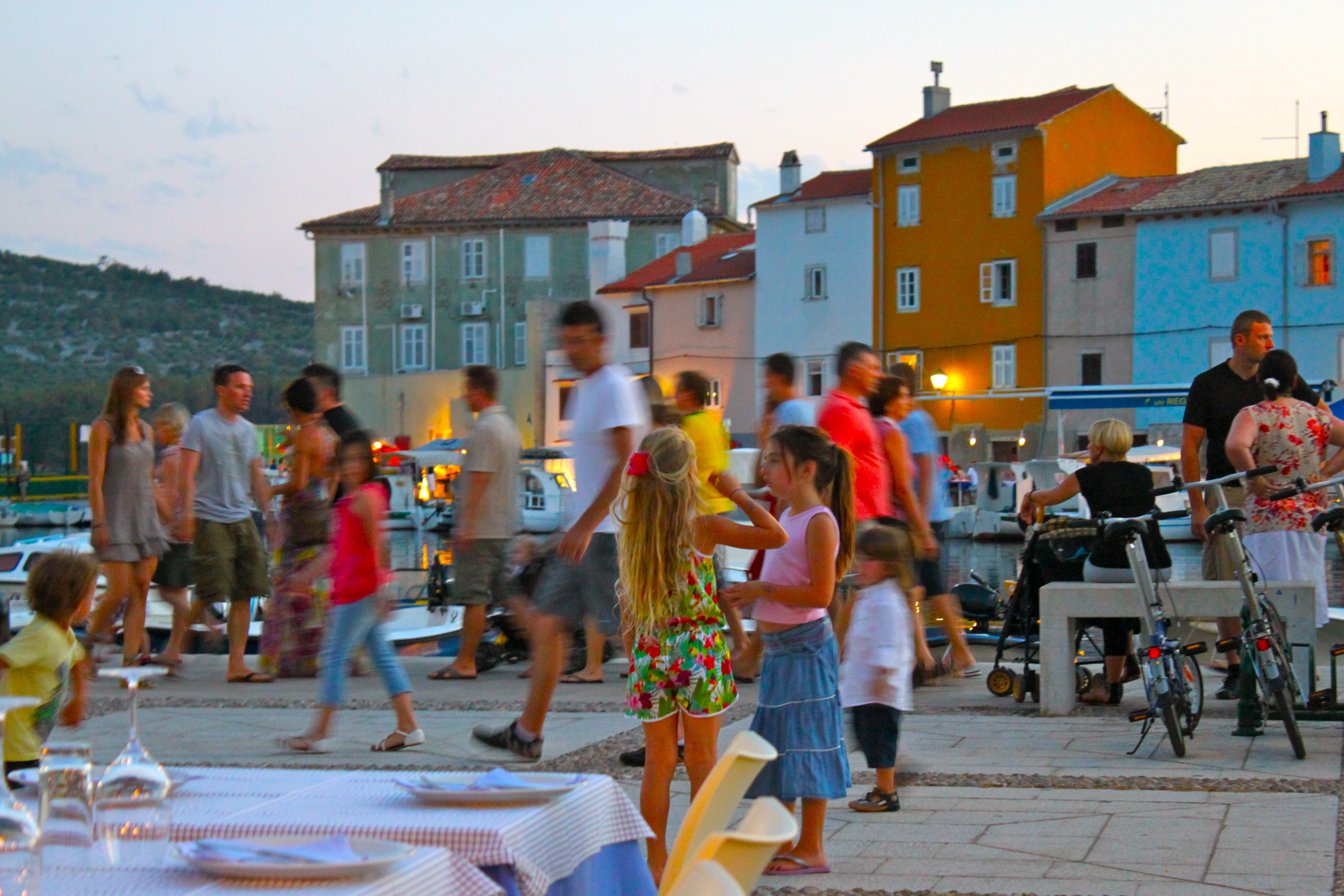
It’s before breakfast and I dive into the clear blue sea, wade out half a mile or so. There are several islands (1100 of them to be exact) in the not too far distance, their craggy, moonlike surface is dotted with pines, wild flowers, even agave trees.  Ahead of me stands a medieval town, where old timers have come out to their windowsills to shake their kitchen tablecloths and inhale the morning seaside air.  A church from the Byzantine times looks down at the many cobbled alleyways, where cafés, restaurants, small stores have been set up amongst ancient portico’s and walls.

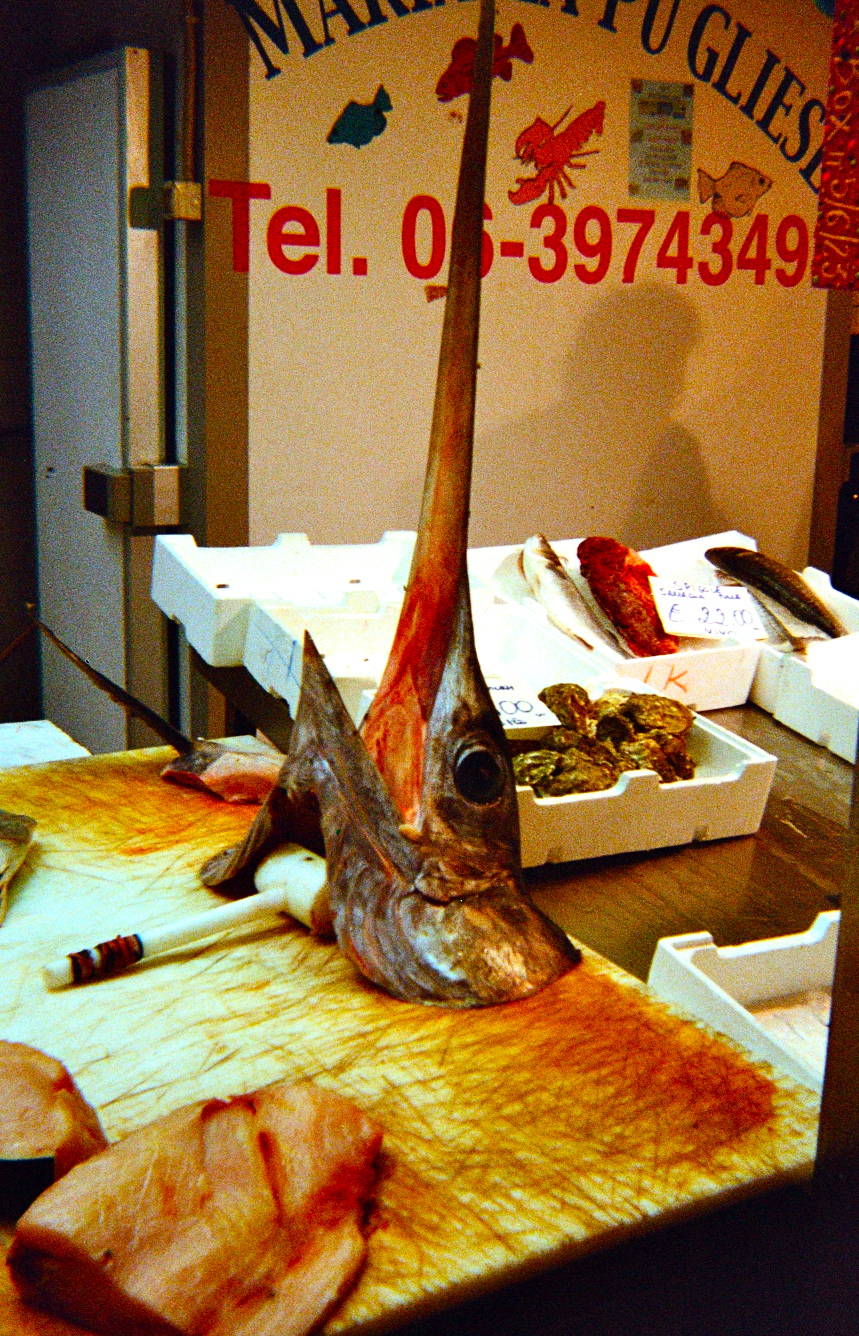
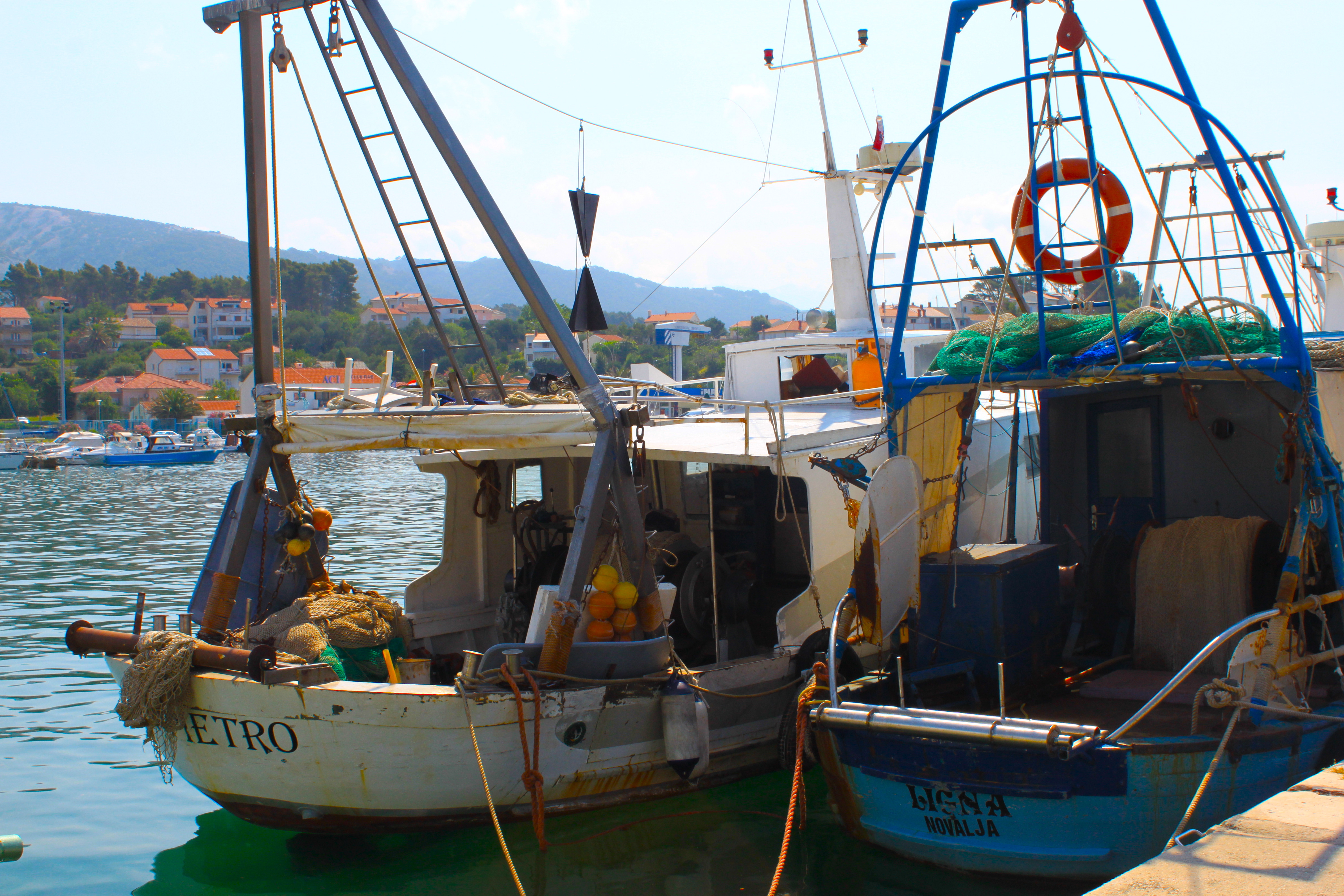
I climb out of the water, dry off and head down to the harbor. Fishermen are beginning to unload their catch of hand harvested mussels (the best way to do it) red mullet, squid, sardines. My new friend, Marco the aspiring Casanova and boat taxi man calls me over, and we spend a few minutes joking around and telling tales of where we’re from and what we’re doing there.

We’re in the Adriatic Sea, in the Croatian Islands to be exact, where the medieval meets the modern and where which I am not surprised to learn that the Romans, Illyrians, Byzantines, Venetians, even the French and Austro-Hungarians have all tried, to get their paws on this bit of island paradise.

I first visited the area when I was a seven year old, and remember a large seaside hotel that was owned by one of my father’s friends. The walls were decorated with taxidermied animals, which kept my brother, and I amused for the afternoon. Platters of grilled meats and freshly caught fish were served, as was a fish stew that the adults marveled over (yet us kids kept away from). The cheese came from the sheep that lived further inland, and the olives were picked from the ancient trees that dotted their orchards.

Back then, tourism was new to this area, and it was mostly people from the Former Yugoslavia, and neighboring Austria and Germany that would mostly vacation here. Now, I hear English, Russian, Dutch, and Italian amongst Croatian. The place has adapted well to the change with various types of accommodation available from luxury hotels, to self-serviced apartments (many in people’s homes), and larger islands have a camping site. Travel is safe, easy, roads are excellent, and island hopping from one island to another via the ferry system (regular, reliable, well priced) is a great way to get around.

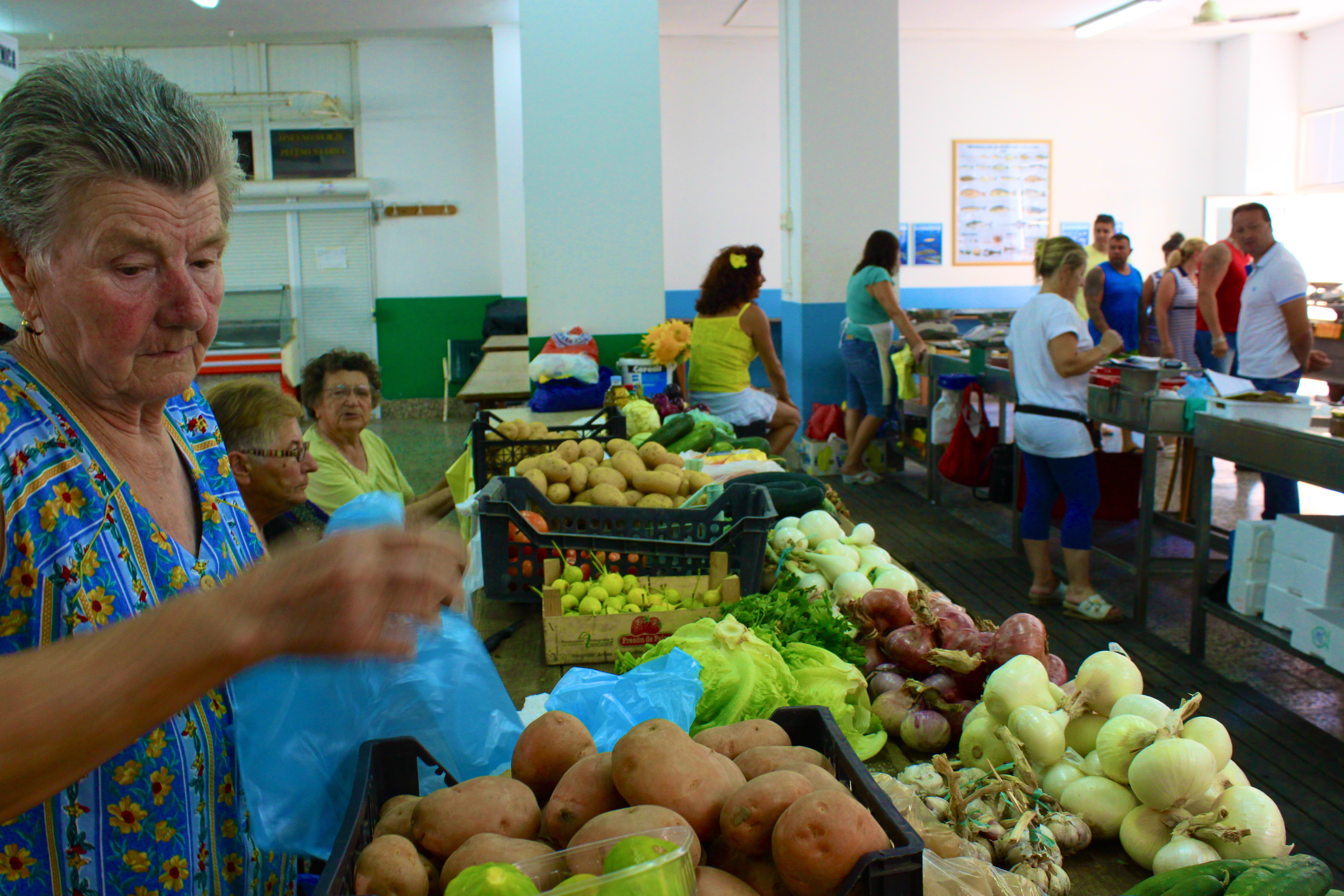
Whilst Croatia has accommodated to the increased tourism, what has changed little (and thankfully so) is their approach to food.  In Rab, just off the Northern Croatian coast, my husband chanced upon the morning market tucked away in a back alley near the old town’s main square. Feisty Baba’s cornered and cajoled me into buying their, tomatoes, the sweetest yellow peppers, figs, bottles of home brewed Rakia.  There was also a large section of freshly caught fish for sale. The produce that was being sold here as well as eaten at the restaurants, came directly from what had been caught that morning, or from the vegetable patches, orchards and vineyards maintained by the islanders themselves.

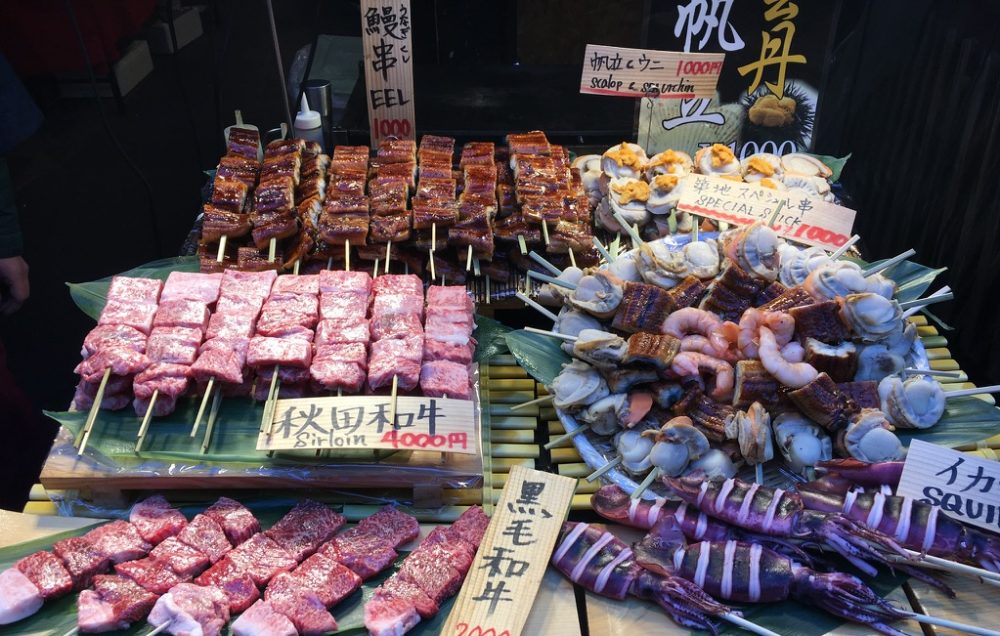
The food is simple, and can be described as deriving from the cuisine of poverty.  For example, the fish that is typically found at the bottom of a fishermen’s net (and was often thrown away by commercial fishermen or bought by the locals) like squid, anchovies, sardine has inspired many of the local dishes, and today, instead of just the islanders eating this, gourmand’s from near and far can’t get enough of it. Similar to the stew that I sniffed my seven-year old nose at, fish stews (or brodet) and then cheaper cuts of meat such as sweetbreads, tripe are no longer the cuisine of the peasant, but are now widely used, even popular as evidenced on many of the pricier restaurant menus found both along the coastline and even further inland.

Yet from a history of lack, the people here know how to make do. Nothing is wasted, fish and meat alike is marinated, grilled, roasted, bones used for stews, stock.  Stock is then used in bean stews, in other casseroles. Excess fruits and vegetables are dried, preserved (or used for the ubiquitous Rakia) or pickled.

Asides from the morning market, there are also several small outdoor market stalls in Rab open all day long selling fresh fruit and vegetables and, particularly useful for the many self-accommodating tourists.

We take a boat trip around some of the nearer islands, including Krk, and sail into of more private coves where bare-bummed yacht owners play chess, barbecue fish; dive off into the aquamarine never-never.

A narrow, but smaller island lies in the distance,

“What’s that place?” I ask the captain.

‘Oh that’s Cres, small place, nothing happens, don’t go there, it’s a bunch of villagers.”

“Sounds perfect,” I think to myself.

Cres is a small treasure find.  It’s a picturesque, slow-paced and charming place. Like in Rab, Cres has morning markets where one can find freshly caught fish, but also several street markets selling fresh fruit and vegetables late into the night.

We’re near the Italian coast, so approaching olive oil country. Before dinner, I walk into a store to buy some gifts and the owner insists I join him for a Rakia (seems everybody insists I join them for a Rakia).  He then also insists that I return later for him to meet my husband. We do so, and are joined by a merry Slovenian, where more Rakia is taken out.  Why isn’t customer service back home a little more like this, I wonder?

As we move West towards Rovinj in Istria, the landscape, a little of the language as well the food begins to change – Italian is spoken by many people, and the food is spicier, more olive oil is used, and as it’s truffle country, this too is evident in the pasta’s, omelette, sauces. The market in Rovinj is a colorful open air space at the edge of the Old Town, steps away from the large Valdibora Square.

Maneštra or Pasulj

A traditional meal of the Istrian area, Maneštra (a bean or spring corn stew) has been eaten in the region since ancient times, yet a similar soup is eaten across the Baltic, with ingredients changing from place to place. In Istria, the Maneštra, we had was served with white beans and cured sausage, yet here I have relied on my families recipe of Pasulj, a kidney bean soup which can be vegetarian or non, (depending on whether you want to use some smoked bacon). Either way, it’s really healthy, full of fiber, and depending on whether you soak your beans over night, can be made in less than half an hour. A traditional poor man’s meal which tastes like a rich man’s dish.

Ingredients:

1 large or two small cans of red kidney or cannellini beans (or alternatively 2 cups of beans soaked over night)

1 cup of diced carrots

1 large onion chopped finely

4 tablespoons olive oil

2-3 cloves of garlic chopped finally

2-3 bay leaves

1 tablespoon of paprika powder

1-2 tablespoons of tomato paste

1-tablespoon flour

A knuckle sized piece of smoked ham (buy at Balkan specialty stores) or ham hock/ham bone with a little ham left on it (optional)

Method:

If your beans have soaked overnight, rinse these and then season a fresh pot of water, add the beans to it and cook until tender. Stir occasionally and remember to skim off any scum that accumulates on the surface. Drain and then use.

Sauté onions, garlic in olive oil until translucent. Add carrots, and season with salt and pepper, sauté for a few minutes.  Now add beans, mix through and add enough water, allowing for about an inch and half space from the surface.  Add bay leaves and the ham and cook until carrots and ham are cooked through (about 20 minutes) and then stir in tomato paste (optional).

To thicken the soup, in a separate small frying pan, warm 2 tbsp. oil, add the paprika, and mix though, now add the tablespoon of flour and quickly mix through, making sure not to over heat as the flour will crumble, it should resemble a thick paste. Add this to your soup. Season again if necessary. If using the ham, take it out, shred and top each bowl with a little bit.

Mixed grill fish

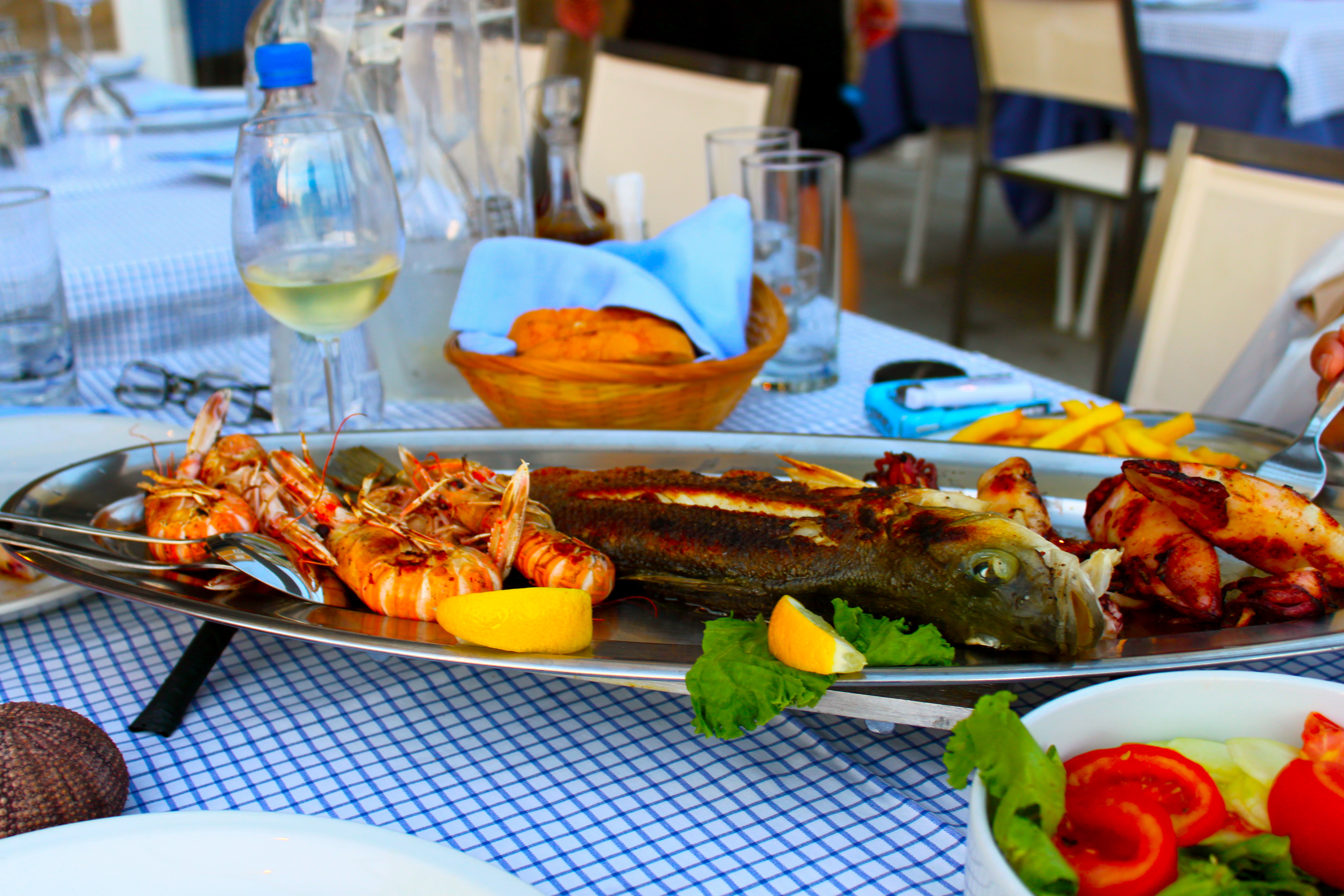
A mixed grilled fish platter is one of the typical menu mainstays in Croatia. Grilling whole fish is easy, delicious and old Nemo looks better whole.  Have your fishmonger, de-bone it and clean out the insides. Rub in a little chopped herbs, garlic and olive oil in the belly, and cover with foil. Place on grill (or under the broiler in a pan, without the foil if you don’t have an outdoor barbeque). Grill under medium heat for about 10 minutes each side, turning over once (for more exact times click here).

Once you have delectably picked the bones clean, keep them and the fish head to make a stock.

To grill prawns, scallops and squid, rub them with a little olive oil, season with salt and pepper and grill for about 2-3 minutes on each side. Season with lemon.

For sardines, have your fish monger clean them for you, or alternatively with a small knife, split them open belly side up, carefully clean out their insides, season with salt and pepper (do not chop off their heads – that’s the best bit). With some paper towel dipped in olive oil, wipe down the grill and fire it up to medium heat. Grill your sardines a few minutes on each side. Season with more lemon juice, or a little olive oil infused with minced garlic and chili.

Arrange all of this on a platter, serve with quartered lemon wedges, open up couple of bottles of cold pivo (beer) or crisp white wine.  Finish with a shot Rakia, go to sleep, dream of sailors and mermaids.

Izvolte i Prijatno!