The boy who lived in the market, Chad, Africa
Recently, I had the opportunity to work in Chad for a humanitarian assignment. Chad is a landlocked country situated in the Sahelian region of Africa, to which the average traveller probably wouldn’t deign visiting.
Burdened down by years of conflict, the last few years have been easier to Chad, with it now being one of the most peaceful countries in the region.
From the capital of N’djamena I flew to the far south-east of the country, which is greener, lusher than the dry north. It was also here that several humanitarian agencies have set themselves up and are working mostly in the camps where they receive the influx of refugees arriving from neighboring Central Africa Republic (CAR). The majority of them providing life-saving food security, nutrition or water interventions, as well some providing health and education services.
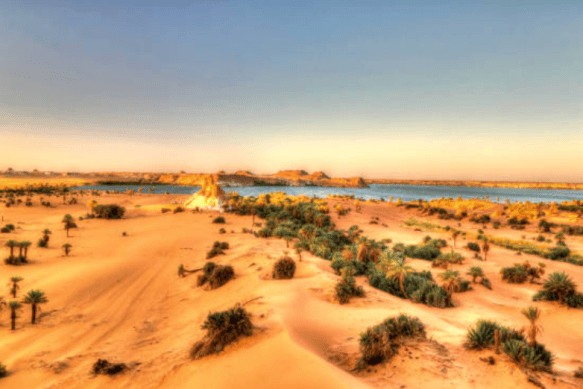
I visited one of these camps in the district of Maro, where the immediate future of these people remains as unsure as the 10.4 million other refugees around the world (UNHCR, 2012) with some 28% presently living in Africa.
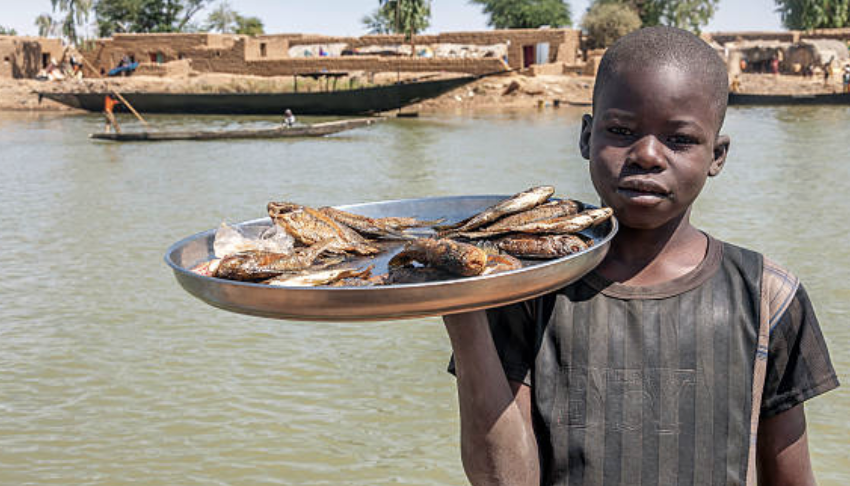
After the camp, a colleague and I ventured into Maro’s small town. It was the late afternoon, so we had missed the market. Along the way, we bumped into some Chadian colleagues who were visiting friends that owned a small store along the main road.
The long road reached its red-dirt arms as far as the eye could see.
“Where does this road lead to?” asked my Canadian colleague.
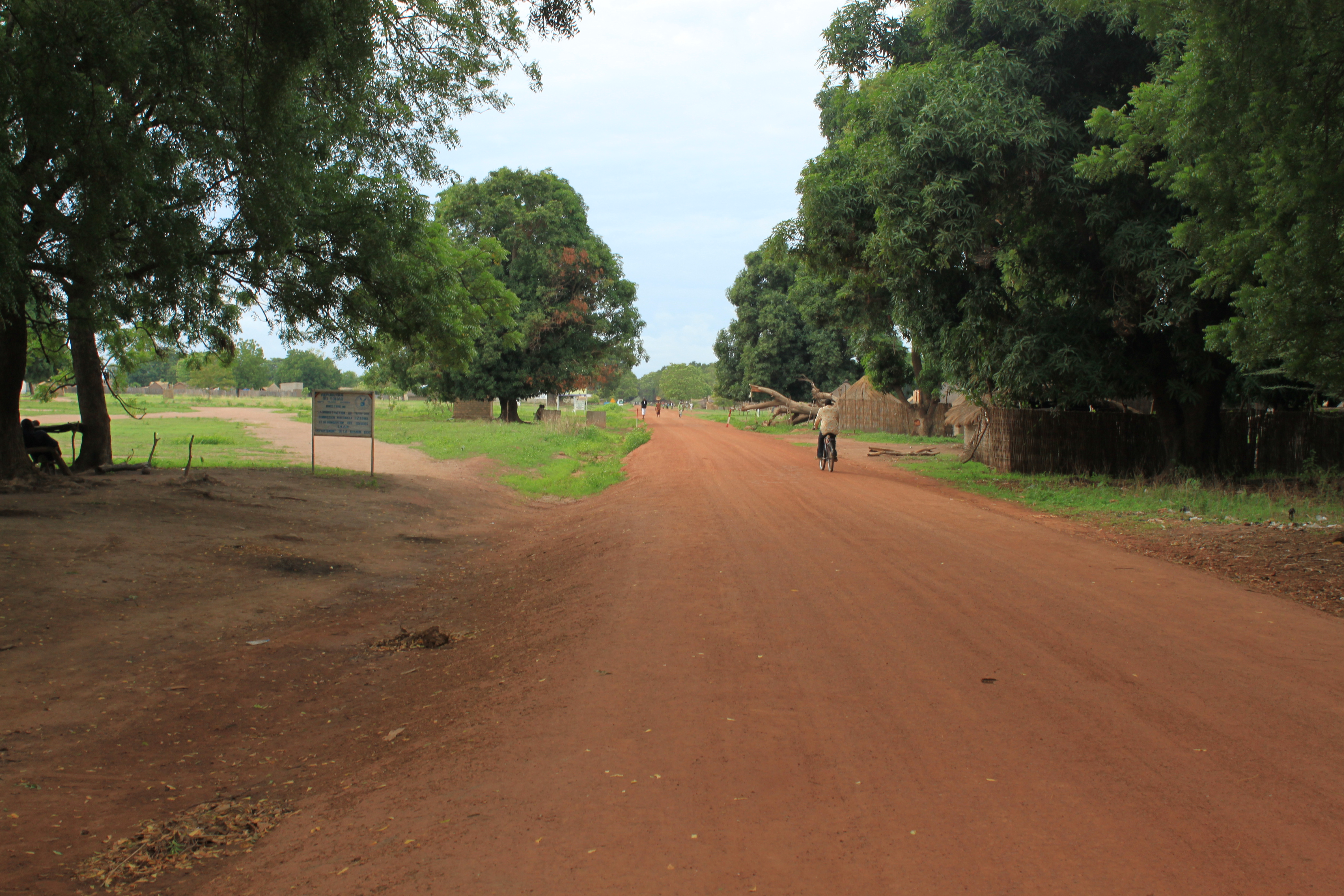
“The Central African Border is an hour away.”
“This is the road that the refugees take to reach this part of Chad,” they explained.
We spoke for a moment how we could well imagine them arriving by foot, tired, hungry, hoping to find safety, a small place which they could somehow call “home”.
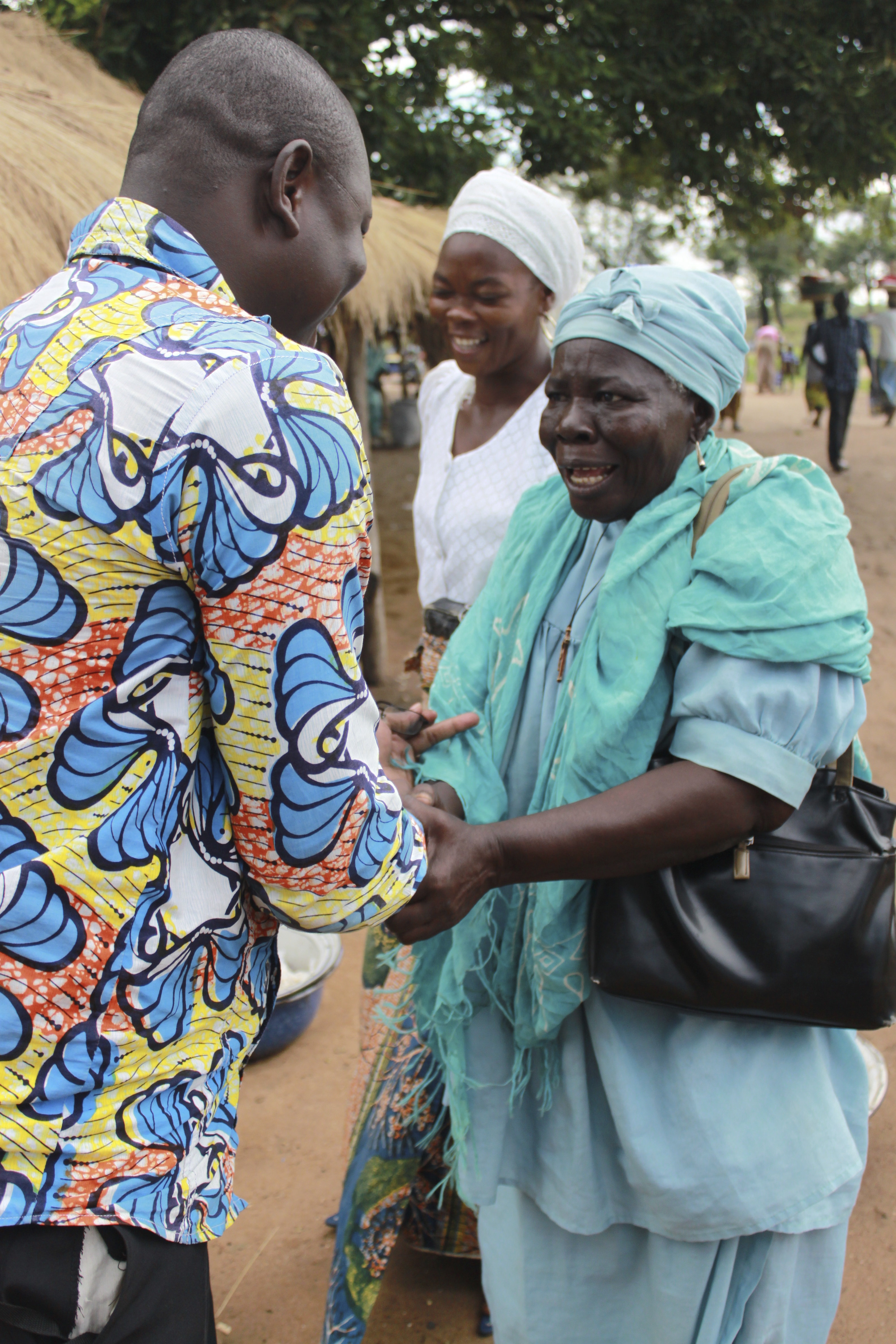
I visited three markets in Chad. One was a few hours drive away from Maro in a town called Sahr. It was Sunday, and the Christians had just returned from church, and were stopping to get lunch staples. We stayed only a little while as a convoy was to expected to escort us to the next town, yet it was a joyful moment when one of the team travelling with us ended up bumping into an Aunt who he hadn’t seen in years.
From there, we drove some 7 hours west to Gore. My days were packed and intense, yet I had an hour to spare after my last day to take a little walk to the Town Square and market with two colleagues.
Unfortunately, the vendors were packing up for the day, and the market was bereft of both content and customers. While I find markets the most vibrant of places, this one was dark and ominous – a gang of street kids ran past and began taunting us. Not getting what they wanted, they took off again. Turning to leave, I noticed a crumpled heap on the market floor, which I first thought was a bundle of old blankets. I looked closer, and two eyes flashed up at me. It was a child, a boy of around 8 or 9, his face had the glazed look of those who have been so beaten down and harassed by life, that they acquire a strange sort of stillness, a type of inner equanimity that protects them no matter what happens next.
As my colleagues turned to leave, I couldn’t. What could I do? Offer him a home? A bed for the night? I had neither of those at my disposal. Should have I given him some money. Probably, yet as aid workers, we are dissuaded from this.
The image haunted me on the way back to base, and the next day I asked a colleague about the plight of orphans in the area. There was a group of Nuns who helped out street children, but there is little being done with the kids like the one I saw at the market.
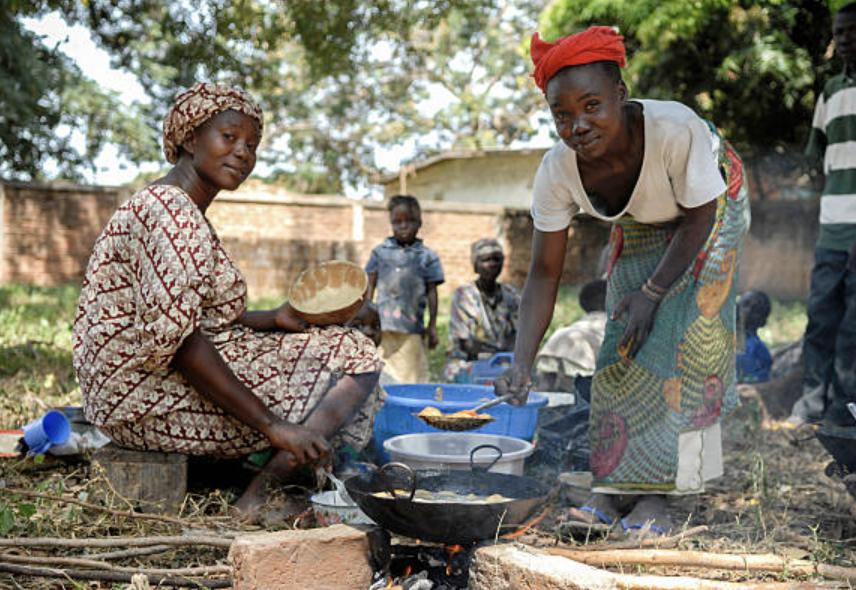
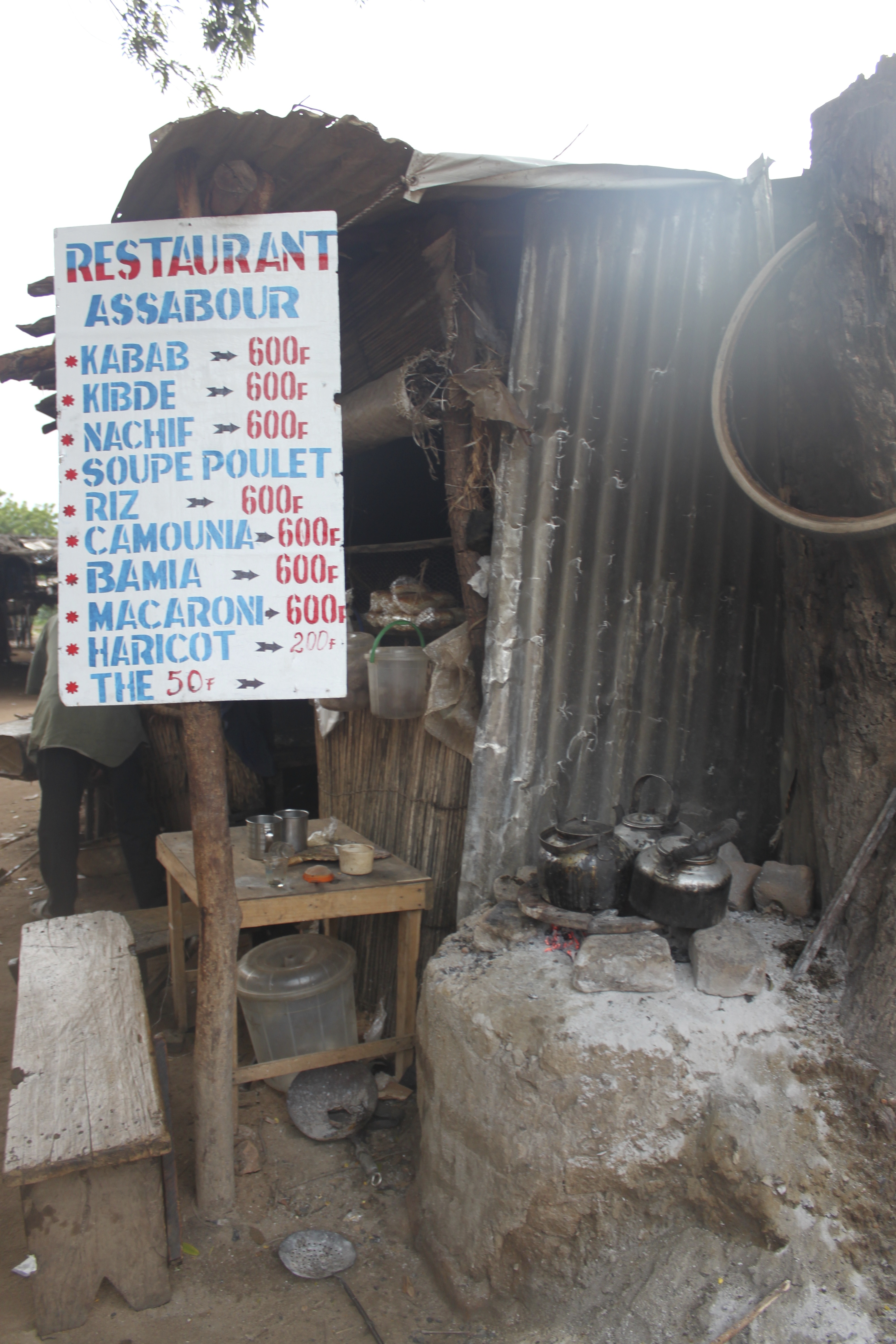
I have often thought of the boy since coming home, and am guessing that he probably worked at the market, as the vendor nearest to which he had set up bed for the night seemed to know him. Perhaps he ran errands for him? Perhaps he sold the fried millet balls that there were ubiquitous along Chad’s streets and markets.
I thought back to the street kids and other orphans I had met along my travels – including Sarat who delivered me my newspaper each morning in Phnom Penh, and Hoa, the jasmine seller whose shared dwelling had been burned down and had come up to my restaurant dinner table and showed me the images on the front page of the same paper.
UNICEF estimates that the number of orphaned children has risen by more than 50 per cent in sub-Saharan Africa over recent years, where an estimated 12 million children ages 0–17 have also lost one or both parents to AIDS.
Orphans and other vulnerable children are at higher risk of missing out on schooling, or living in households that can’t ensure food security. They are also prone to suffer from anxiety, depression and are at a higher risk of several diseases. Whilst other family members, or even the community takes in many orphans, there are others, probably like the boy I saw who has nobody to go.
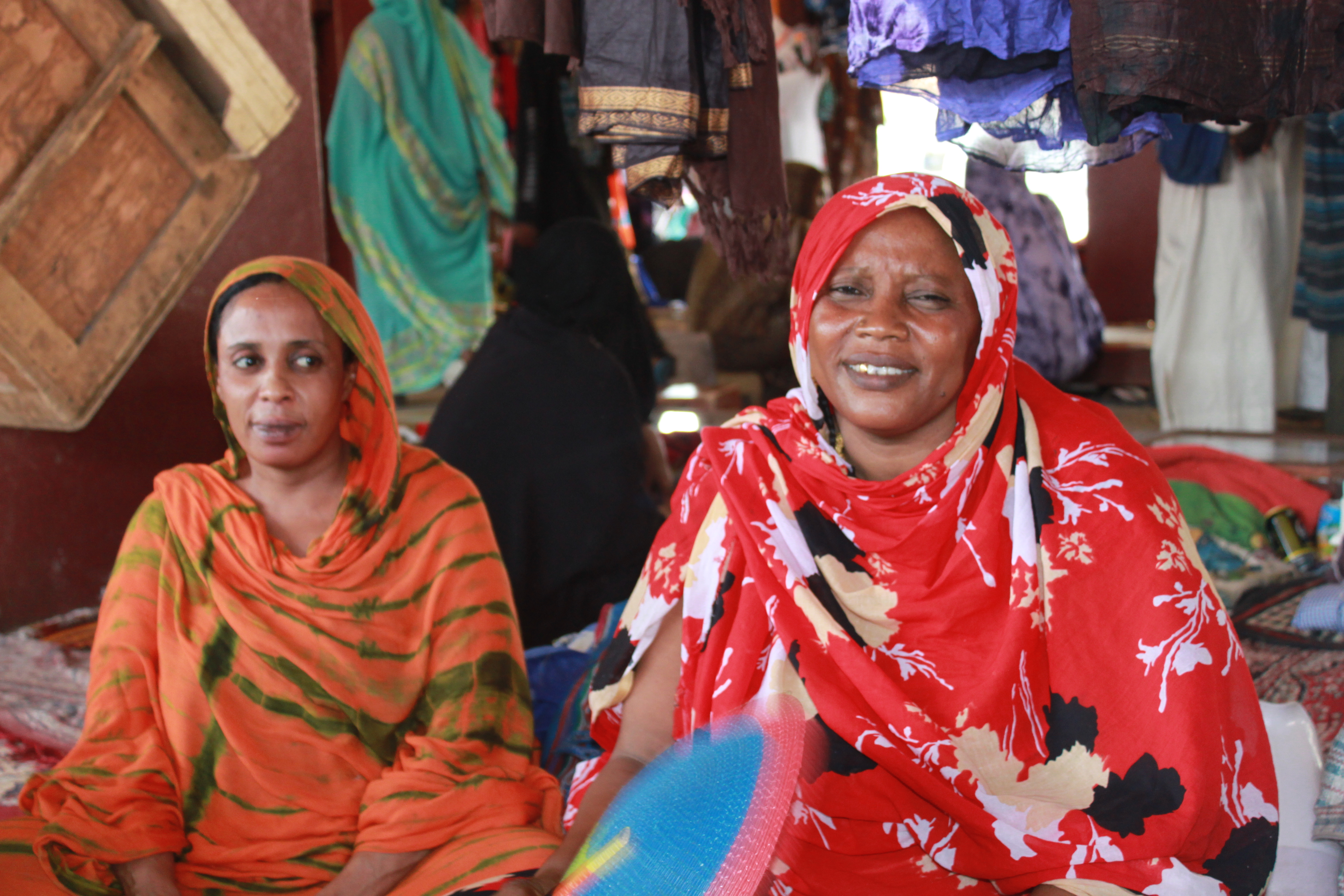
The day before leaving, I visited the Marché Central in N’djamena. It was a giant, colorful and claustrophobic place. Bedouins had brought in giant baskets of tempting dates, all sorts of meat was being sold in the stifling Chadian heat, and a continual broadcast of hundreds of car engines that were left running in the middle of the market deafened out any other noise. Taking photographs is dissuaded in N’djamena, yet a group of Muslin women selling saffron, other spices and perfumed oils invited me to sit with them before allowing me to take their photo. Speaking to them, I discovered that many of the market vendors were not Chadian at all, but from Congo, CAR, Guinea, even Darfur. I wondered whether their own parents had made the long journey over from their homelands with them, or how many had started off their young lives like the little boy I had seen.
As Summer ends in Canada, and my own eight year old boy goes back to school this week, I reflect on his life and think how the most stressful thing he has to worry about is who to play with on a day-to-day basis, or how to avoid eating his vegetables. I find myself increasingly grateful that I am able to provide his little self with everything he needs. I then send a prayer, a thought of hope all the way to Chad hoping that somehow the boy in the market will receive it. It’s the least I can do.
Millet croquettes
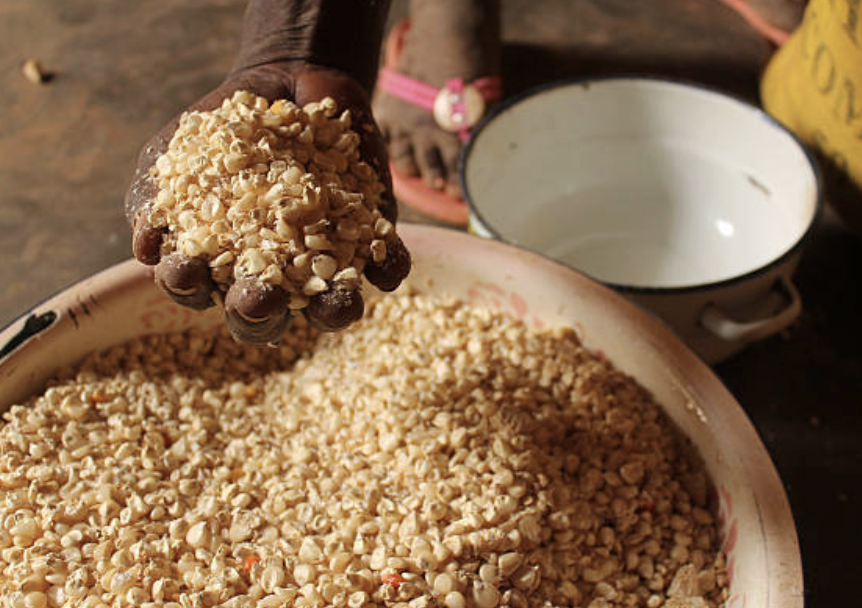
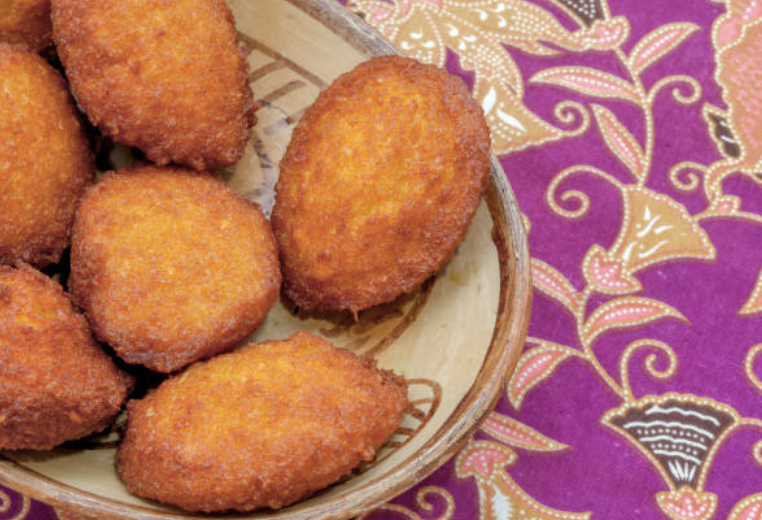
Fried millet balls are a typical Chadian street food, which are served with different dipping sauces. Millet being a staple grain in the Chadian diet, these are my own version with onion and ginger. You can also add fresh herbs or other spices to the mix. I served mine with a little peanut sauce, but they are just as good eaten alone.
Ingredients:
A cup of cooked millet
One onion
A knob of ginger
½ cup of flour (any type of flour works well here, I used chickpea flour as it fries nicely)
An egg
½ cup water
½ teaspoon paprika
Salt, pepper for taste
Oil or ghee for frying
Method:
Cook up the millet as per pack instructions. In a large bowl mix all the ingredients into a thick paste. Adjust the mixture with more or less flour until you get the right consistency. Form into bite-sized balls and then fry until golden brown on each side. Serve immediately.